Highlights
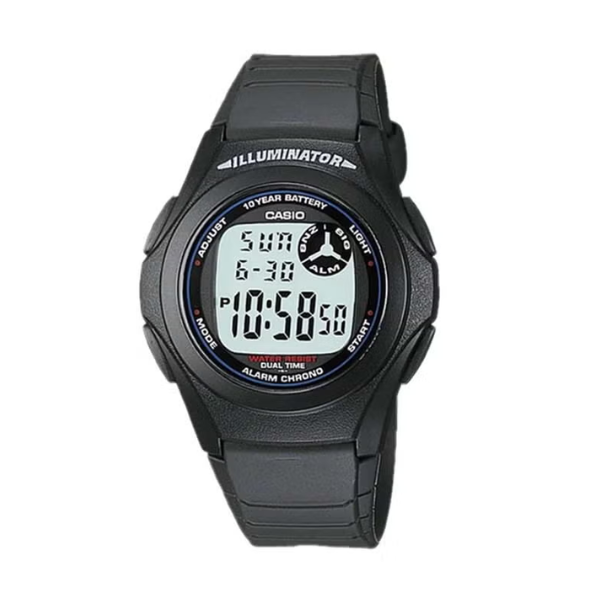
A wristwatch is a small timekeeping device designed to be worn around the wrist using a strap, bracelet, or band, which may be made of leather, metal, or other materials. It provides a convenient way to check the time during daily activities and special occasions. In contrast, a pocket watch is carried in a pocket and often attached to a chain. Wristwatches are the more modern and practical option for everyday use.
Overview
A watch is a portable device made to keep time and is typically worn on the wrist. Its design ensures accurate timekeeping even during the wearer’s movements. Wristwatches, secured with straps or bracelets, have largely replaced pocket watches, which were traditionally kept in a pocket and attached to a chain. Watches originated in the 17th century, evolving from spring-powered clocks of the 14th century. Initially mechanical, they relied on winding and balance wheels to function.
The invention of the quartz watch in the 1960s brought a revolution, introducing battery-powered watches that used a vibrating quartz crystal for precision. By the 1980s, quartz watches dominated the market, a shift known as the quartz revolution. In the 2010s, smartwatches emerged, combining timekeeping with features like fitness tracking, notifications, GPS, Bluetooth, and more.
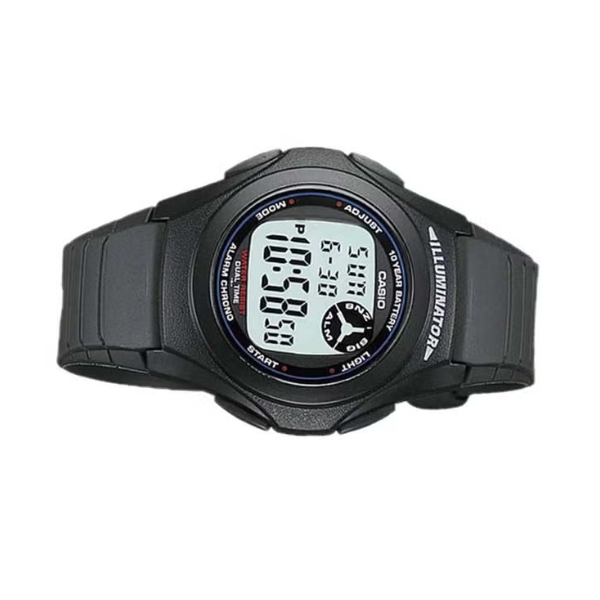
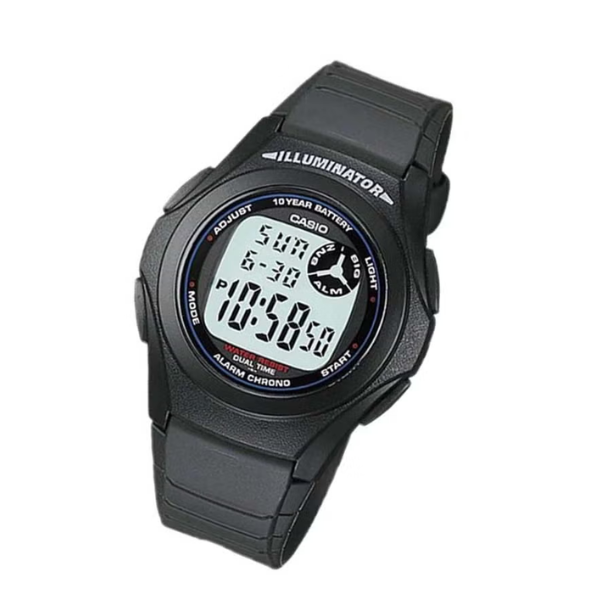
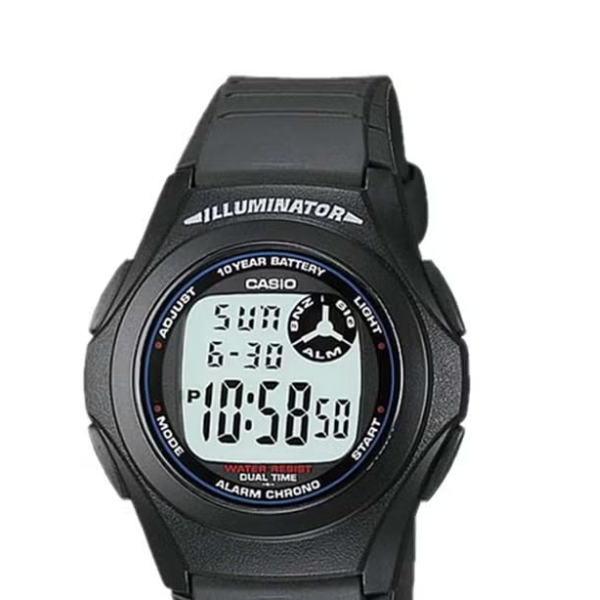
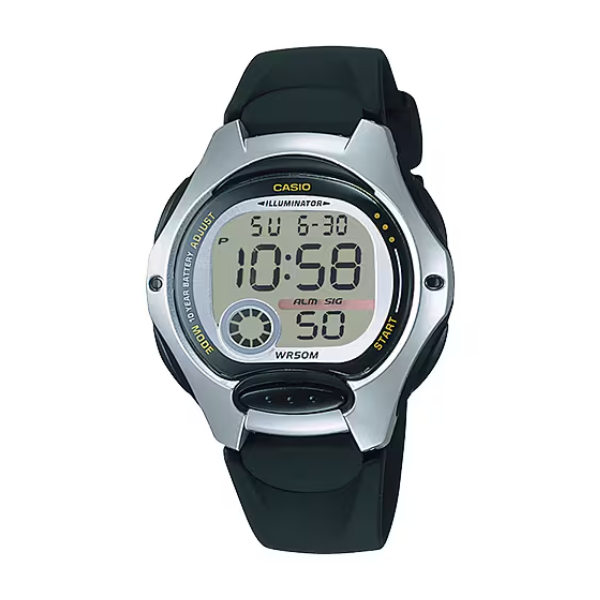
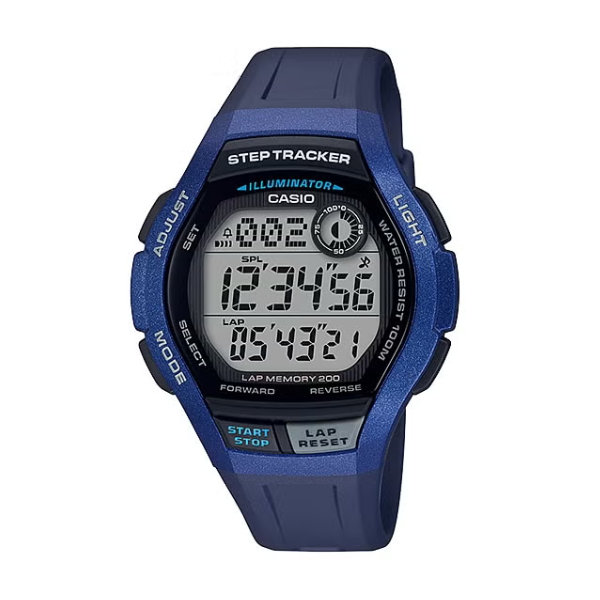
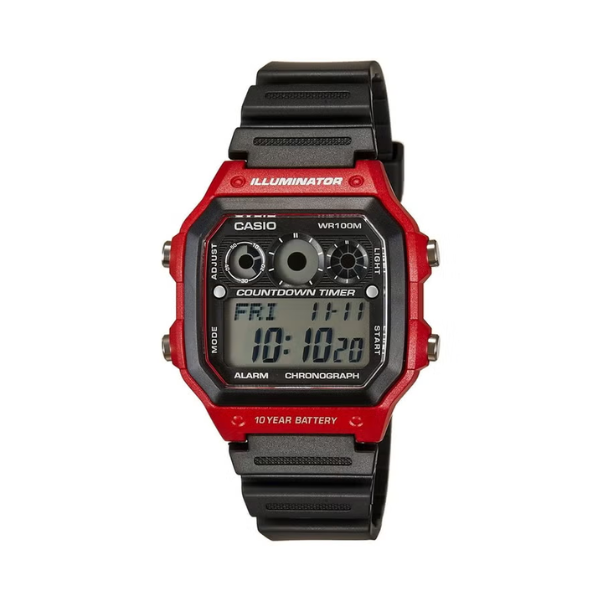
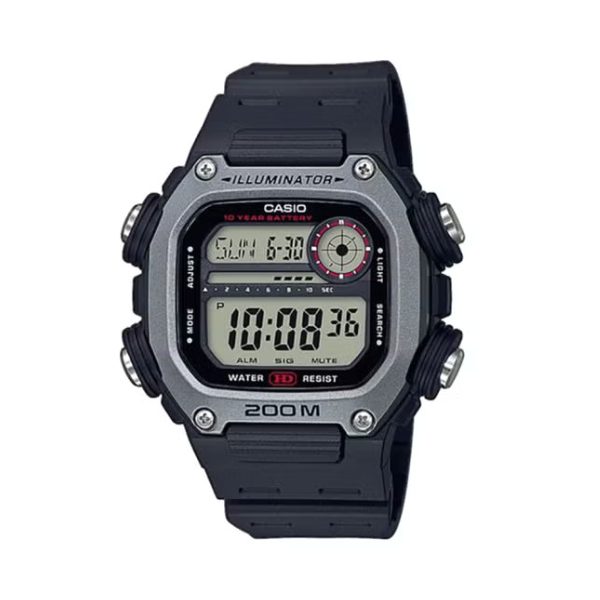
Modern watches often show the date, day, month, and year. Mechanical models may include complications such as moon phases or tourbillons, while quartz watches frequently offer features like alarms, timers, and chronographs. Some watches also use radio signals to auto-correct the time, keeping them exceptionally accurate.